
research and initiatives
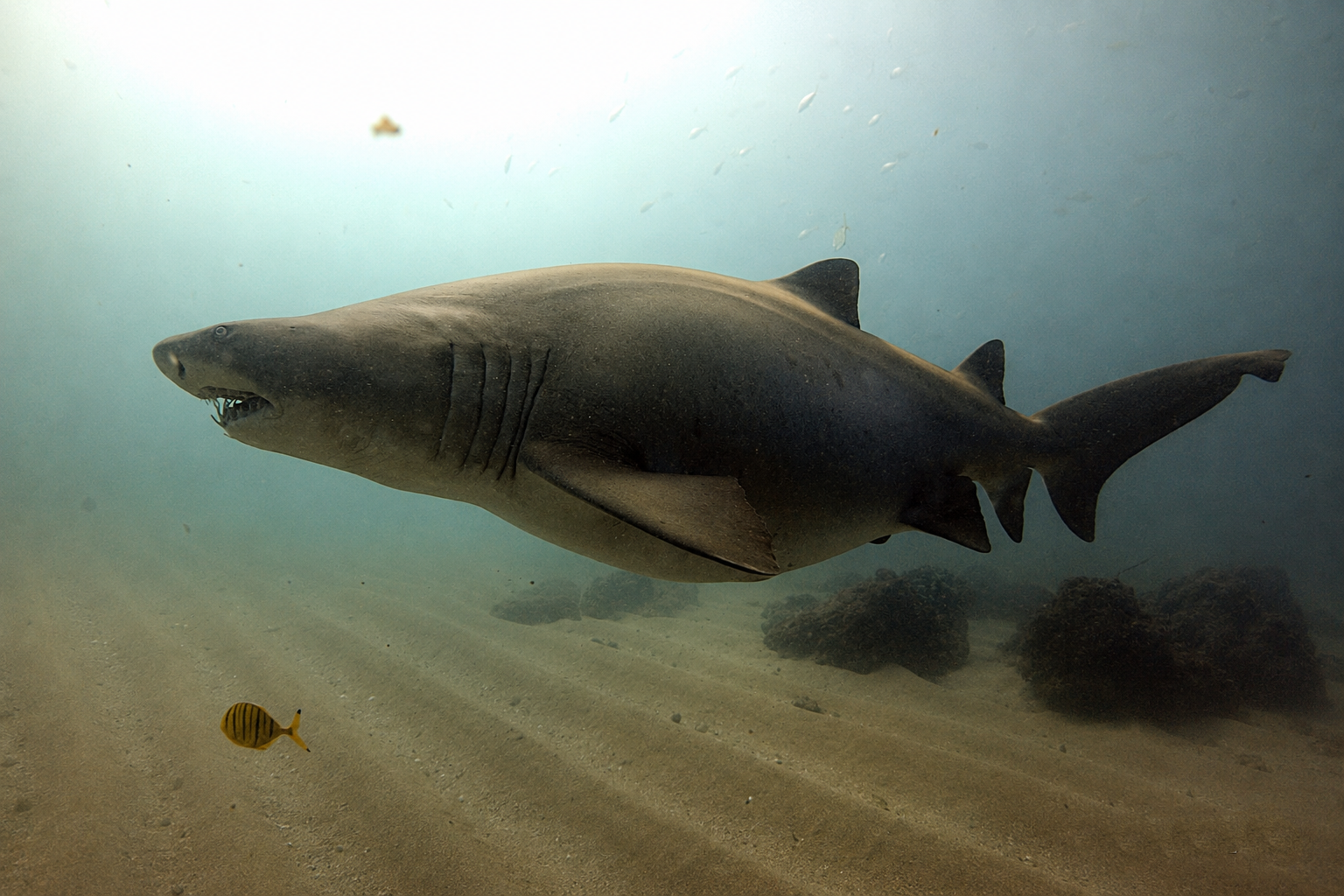
Long-term ragged-tooth shark monitoring
Long-term monitoring at Quarter Mile and Raggie Reef tracks seasonal presence, abundance and individual sharks. Underwater surveys and photo-identification provide evidence for managing sensitive aggregation sites.
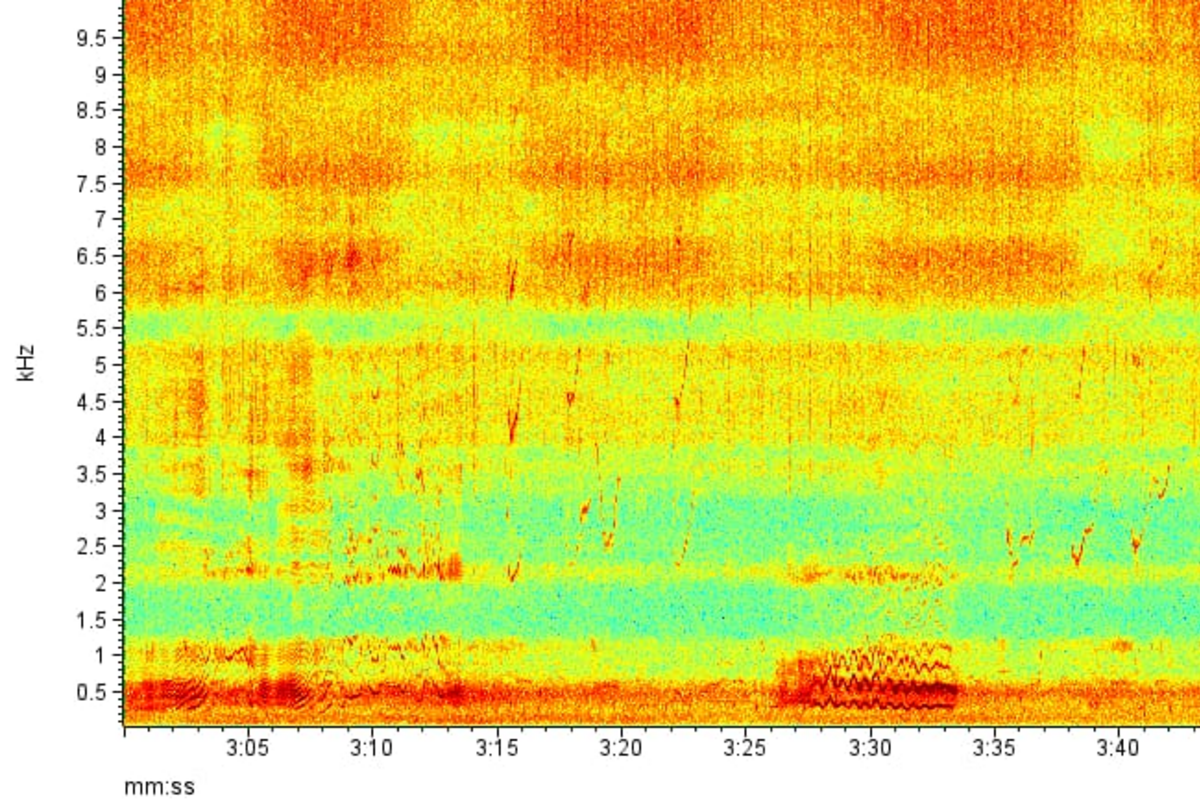
Cetacean passive acoustic monitoring
HydroMoth recorders at 5 Mile and 7 Mile are building a baseline of dolphin and whale activity. The pilot tests how passive acoustic monitoring can support long-term MPA research and management.
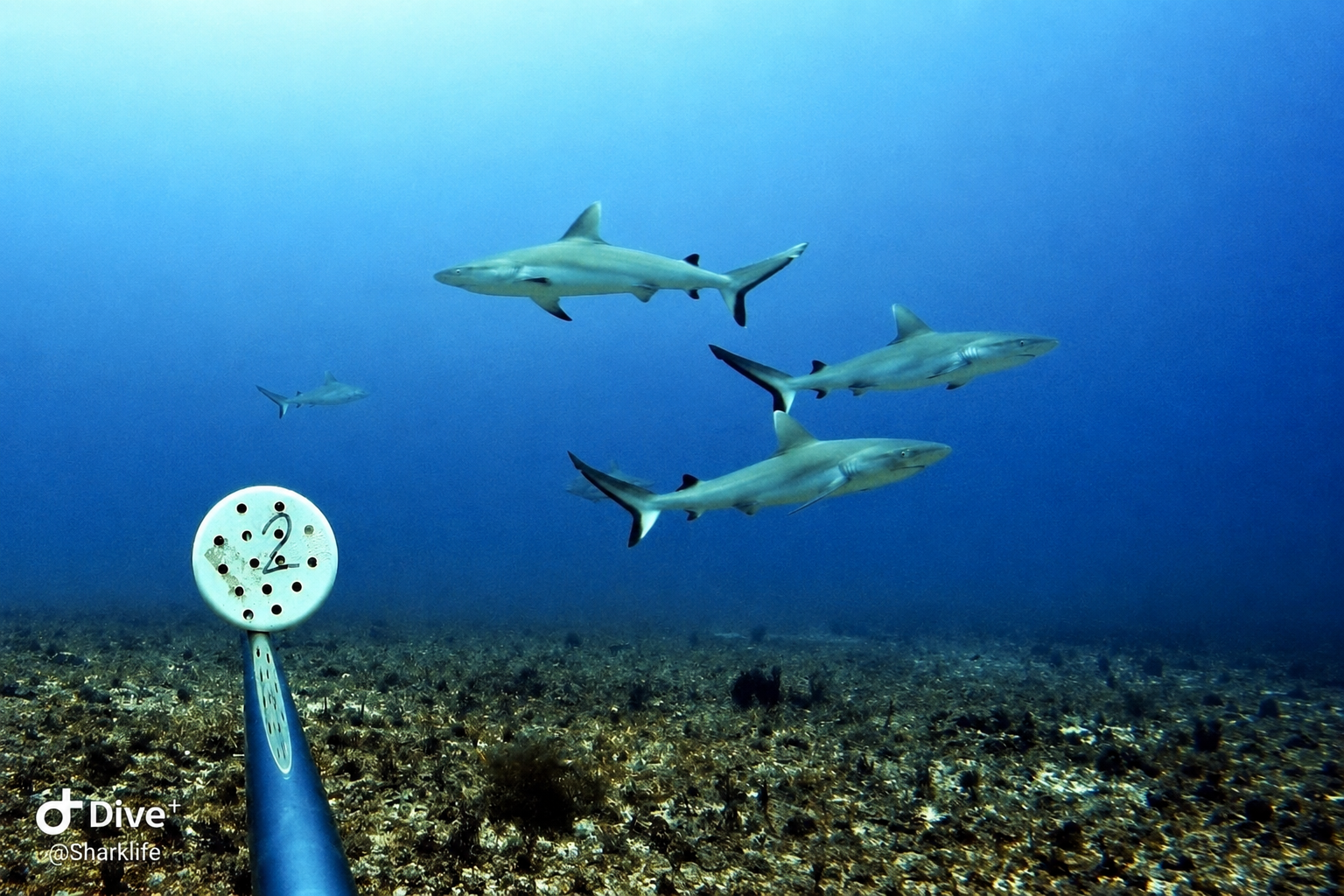
Spatial Conflict Risk Index (SCRI)
SCRI examines where shore-angling pressure overlaps with habitats used by threatened sharks and rays. Stereo-BRUV surveys and acoustic tracking support practical, evidence-based management responses.
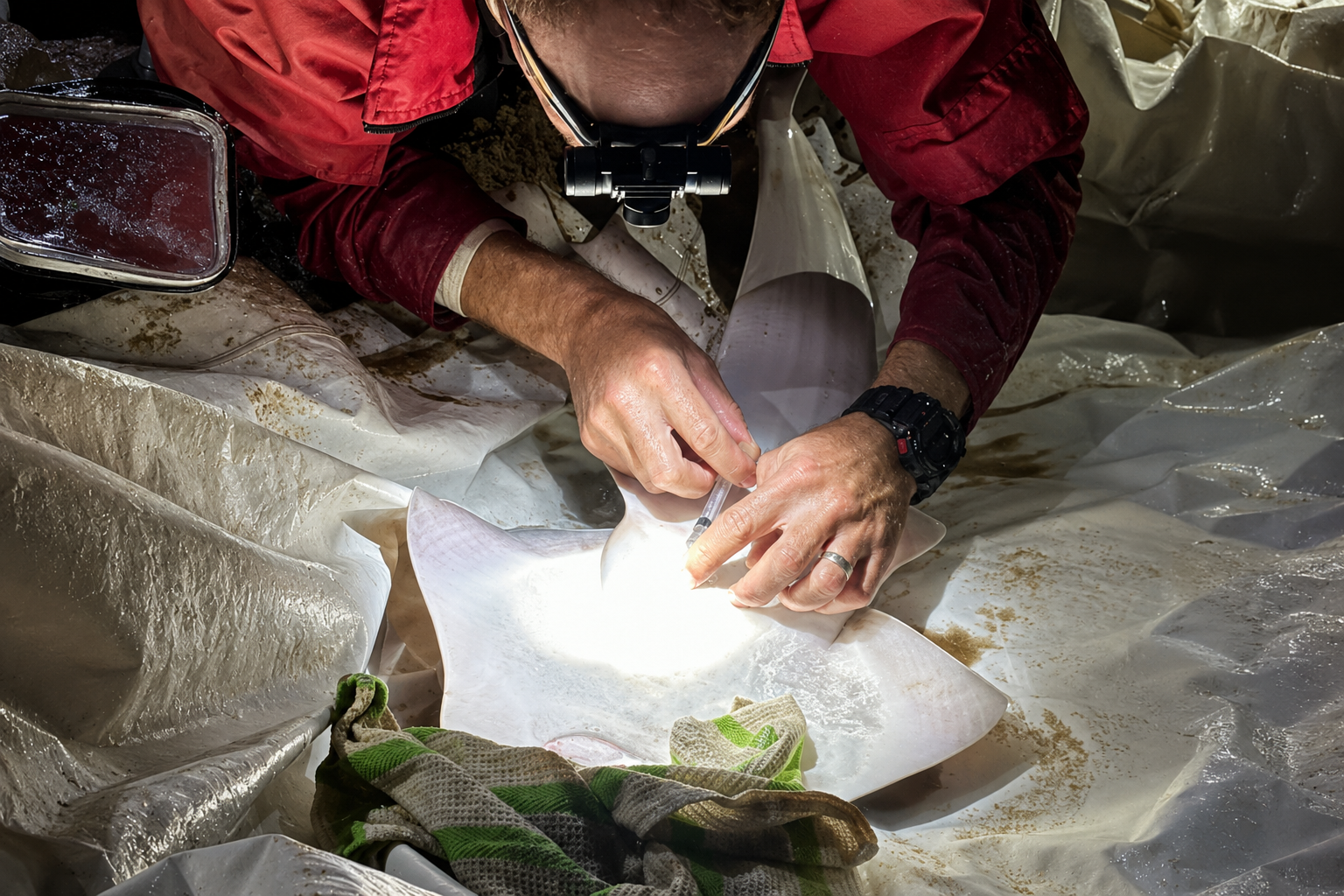
Batoid tagging and reproductive assessment
This standalone project studies movement and reproductive condition in stingrays, wedgefish and related batoids. It operates under separate DFFE permitting and ethics, with its own collaborators and reporting. Its findings may complement SCRI analysis, but the projects are not operationally linked.
Shared infrastructure and collaboration
Facilities and working arrangements that support approved research across the MPA.
A network of underwater receivers records movements of acoustically tagged animals across the MPA. The shared infrastructure supports approved projects while reducing duplicated equipment and field effort.
Projects should address identified research or management needs within the MPA. Each initiative retains its own scientific leadership, approvals and reporting duties.
Each project is led by its named principal investigator and approved collaborators. IMRN supports coordination and knowledge exchange; it does not replace project governance.
Researchers and institutions can contact the network with a defined question or proposed contribution. New work must follow the relevant park agreement, permits and ethics requirements.